



A Mughal Fantasy in the Cotswolds
WORDS BY Laura Birtles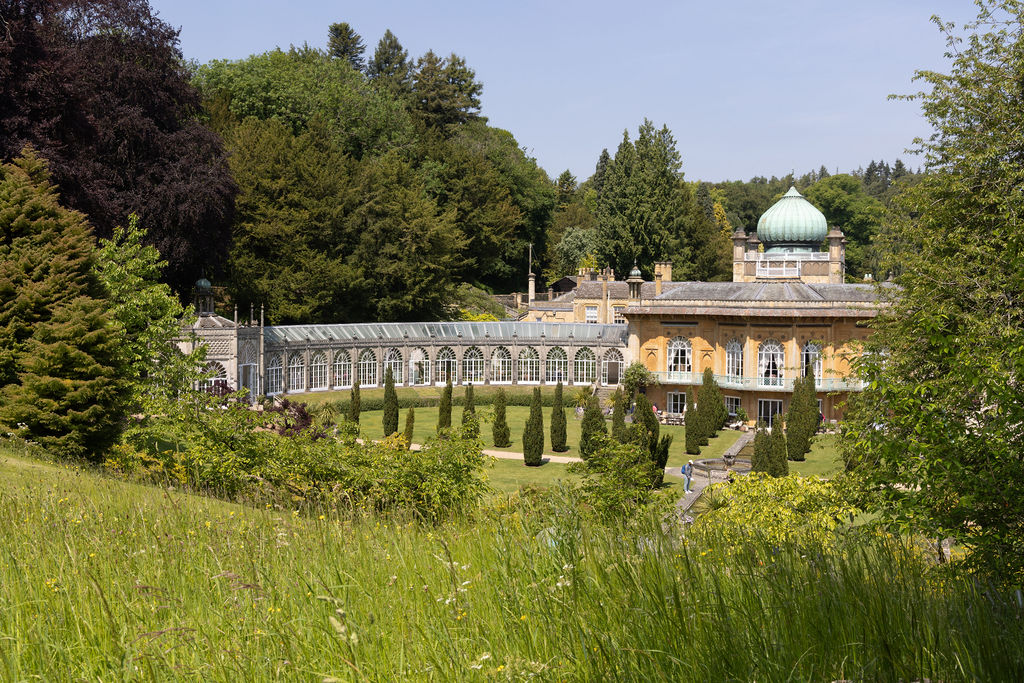
Sezincote is a theatrical masterpiece of domes, secret gardens and hidden delights. Laura Birtles explores its history and magic, with photography by Casper Farrell.
On a glorious March morning, Sezincote emerged before me, its Cotswold stone gleaming golden in the warm spring sunshine and the jade-hued dome rising dramatically against a cobalt sky. I was immediately awestruck by the incongruity of this exquisite slice of India in the rolling hills of Gloucestershire.
The 3,500-acre estate was bought in 1795 by Colonel John Cockerell. The house itself was built between 1805 and 1807 for his brother Sir Charles Cockerell, designed by their cousin Samuel Pepys Cockerell. Although Samuel had never visited India, he collaborated with the artist Thomas Daniell, who had spent a decade on the subcontinent documenting its architecture and landscapes. Both John and Charles were part of the generation of ‘nabobs’ who returned from Bengal with fortunes made through the East India Company.
Sezincote remained in the Cockerell family until the late-19th century when it passed to the Dugdale family. During this time, poet, writer and broadcaster John Betjeman, visited frequently as a student at Oxford and later immortalised in his book, Summoned by Bells. By the mid-20th century, it had fallen into serious decline and faced the real prospect of demolition. Fortunately, it was acquired by the Kleinworts, who embarked on a careful, long-term restoration. Today, Sezincote remains privately owned and family run. I had come to hear its story from its current custodians, Edward and Camilla Peake. Edward inherited the estate from his parents, who resided there for 40 years – and, together, he and Camilla continue the family legacy.
Before entering the house, Camilla and I paused before the spectacular façade, reflecting on Sezincote’s allure. “It is a theatrical fantasy,” she said. “Romantic and beautiful, it looks like a confection.” The tuk-tuk by the front door, the onion domes, peacock-fan windows, minarets, jali-work railings and pavilions were all designed to delight and surprise. “It is Mughal architecture at its purest – a mix of Hindu and Muslim motifs,” Camilla explained. “Apart from some amusing British quirks like the Union Flags in the rondelles and the feathers, which are a nod to the Prince of Wales’ heraldic badge.” Following a visit from the Prince Regent in 1807, Sezincote even went on to inspire the magnificent Royal Pavilion in Brighton, designed by John Nash.
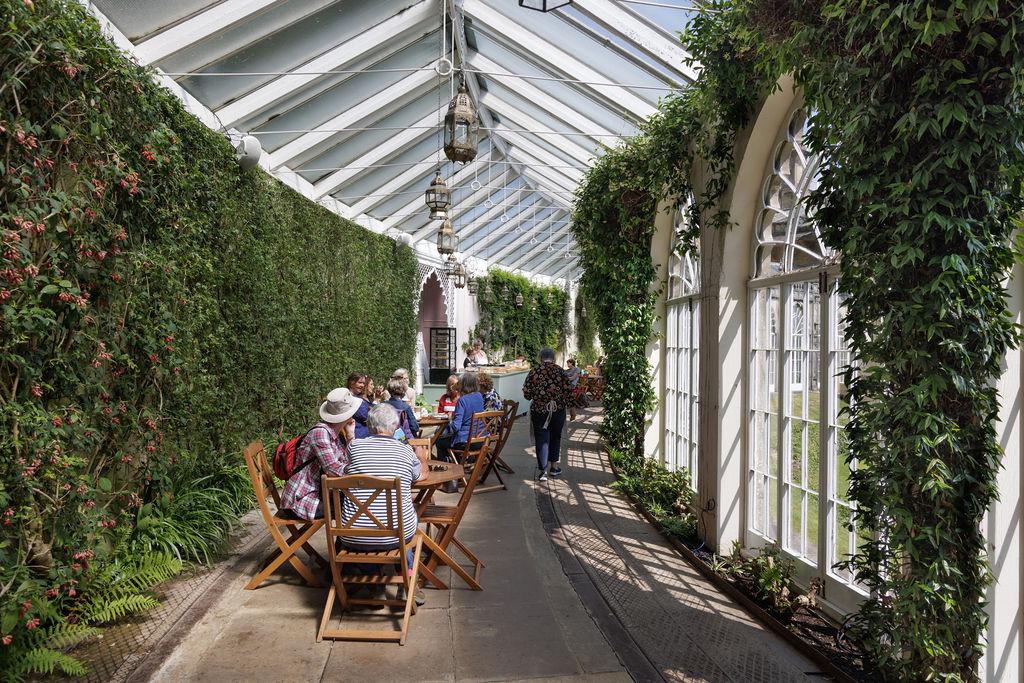
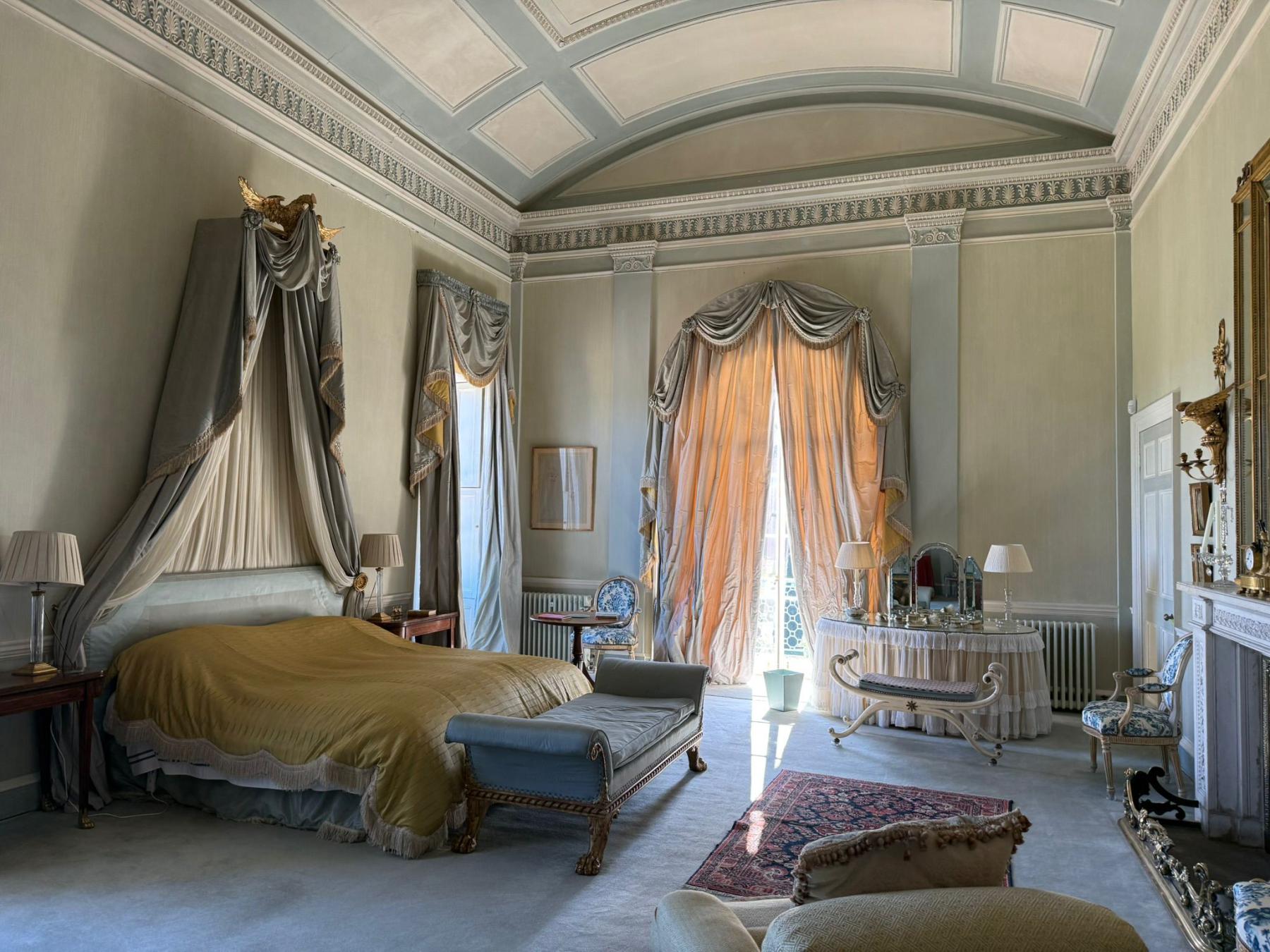
In juxtaposition, the interior is classical. As one historian observed, “The resulting house was planned like an English villa… but the exterior was pure Mughal.” As we wandered through, it felt lived in rather than curated. Camilla showed me around the elegant ballroom and Edward’s grandmother’s serene bedroom. We continued to the curved Orangery, with its living wall and Indian lanterns. When the house is open, it serves tea and cake overlooking the Persian Garden of Paradise.
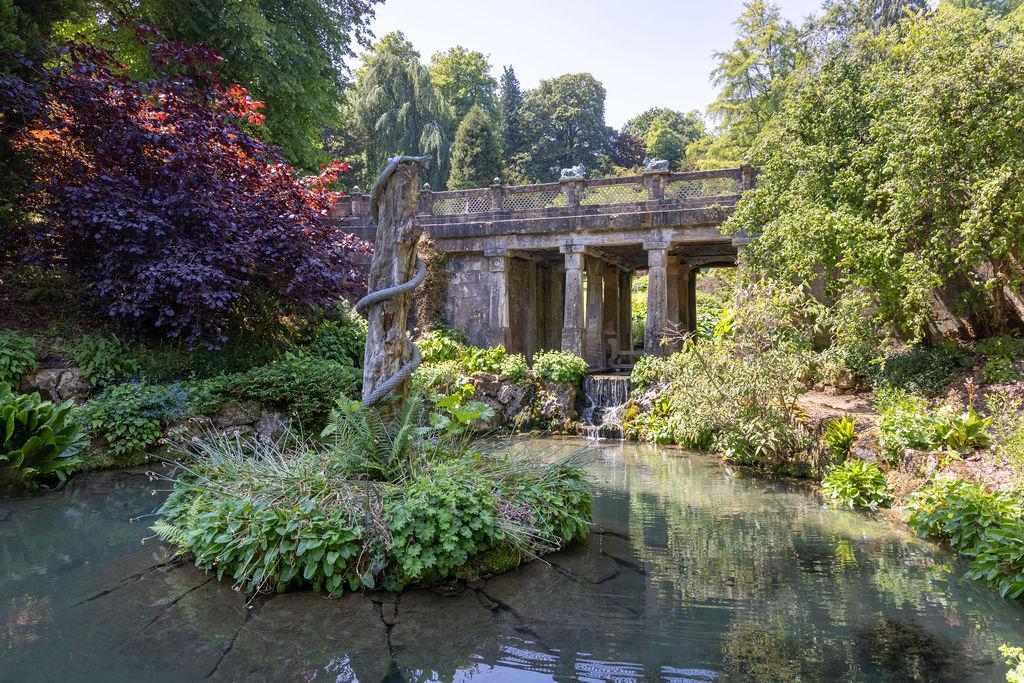
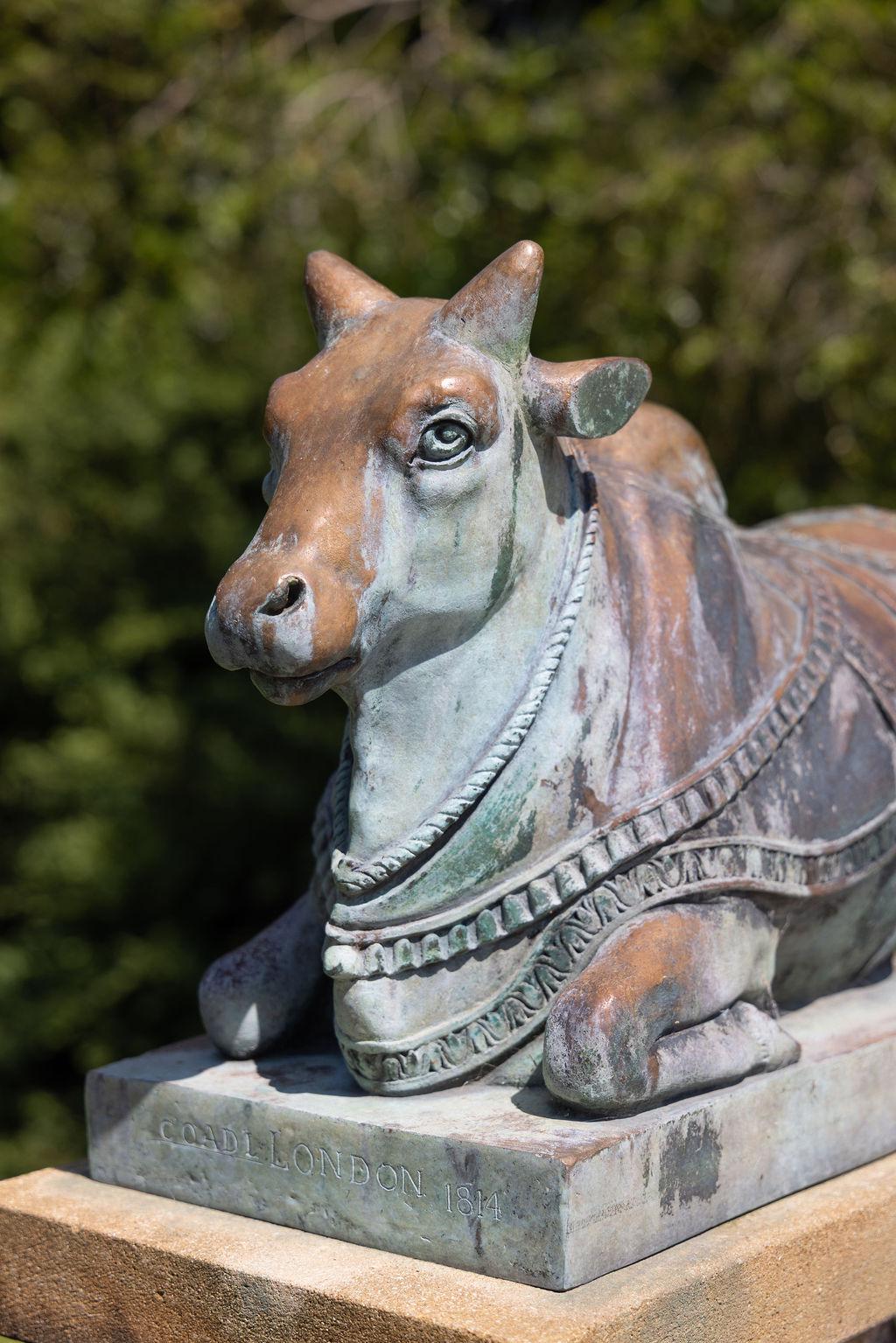
The gardens and grounds, devised by Humphry Repton and Thomas Daniell, create a lush, northern Indian paradise of towering Himalayan deodars, pines and subtropical bamboos. Water plays a central role, with a series of spring-fed pools flowing down towards the River Evenlode. Every element carries a subtle spiritual resonance reminiscent of Mughal paradisiacal gardens – we strolled past the idyllic Temple to Surya, the Hindu sun god, and a striking fountain with a bronze triple-headed snake. Crossing a bridge guarded by Brahmin bulls, Camilla revealed, “There is a philosopher’s bench beneath this bridge.” She also led me to one of her favourite spots – a tucked-away spring in a cave invisible to most passersby. Inside was a Shiva Lingam stone she had found at Gomukh, the glacial source of the Ganges, India’s most sacred river. “There is an ancient Ganesh in there, too,” she disclosed. The estate is full of small treasures, each with its own story, waiting to be discovered.
The Peakes’ stewardship of Sezincote goes far beyond the house and gardens, reflecting a quiet commitment to the wider community. They support village life and local initiatives – from welcoming school children on nature walks to hosting charitable events on the estate. These include a biennial clothes auction and a fashion show for other local charities. In their care, Sezincote is not just a historic treasure but a working estate and family home, where heritage and community meaningfully intertwine.
Visitors can enjoy intimate guided tours of the house on Wednesdays, Thursdays, Fridays and bank holidays from May to September, with the gardens open from March to November. The limited opening times make Sezincote feel like an exclusive retreat. “It’s just silent and beautiful,” said Camilla. Guests are encouraged to linger and explore, soak up the tranquil atmosphere, enjoy a picnic or sip tea in the Orangery. The estate also hosts a few special weddings each summer.
Sezincote captures the imagination at every turn. In Camilla’s words: “There’s literally nothing else like it. It is truly theatrical and unique – a Mughal-inspired fantasy in the Cotswolds.”
Find out more and plan your visit to Sezincote: https://www.sezincote.co.uk/
SHARE: