



Cotswolds: Field & Folk — Beneath the Surface
WORDS BY Charli Peake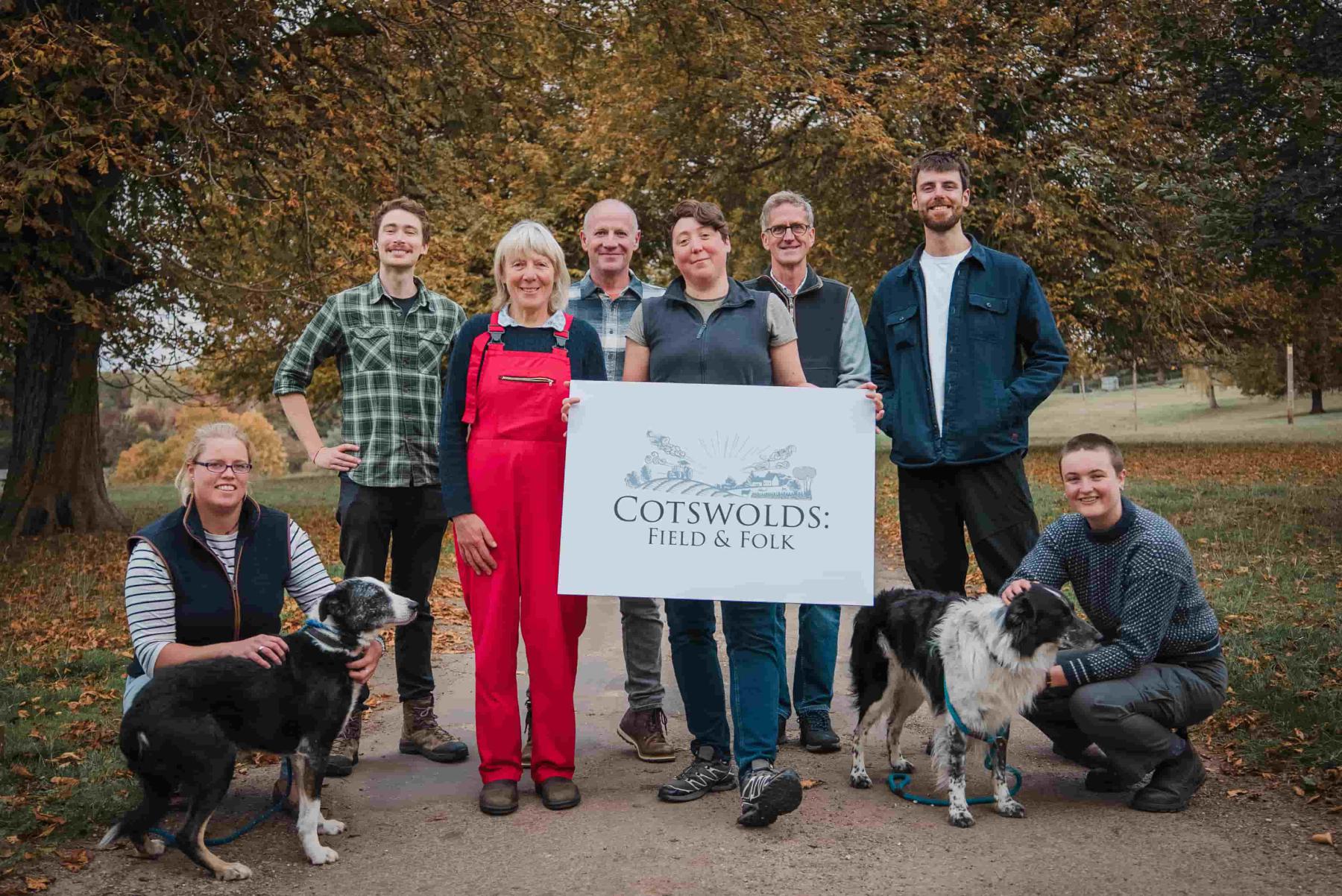
The film exploring the landscape, people and future of the Cotswolds National Landscape at 60. Words Charli Peake in conversation with Tea Smart.
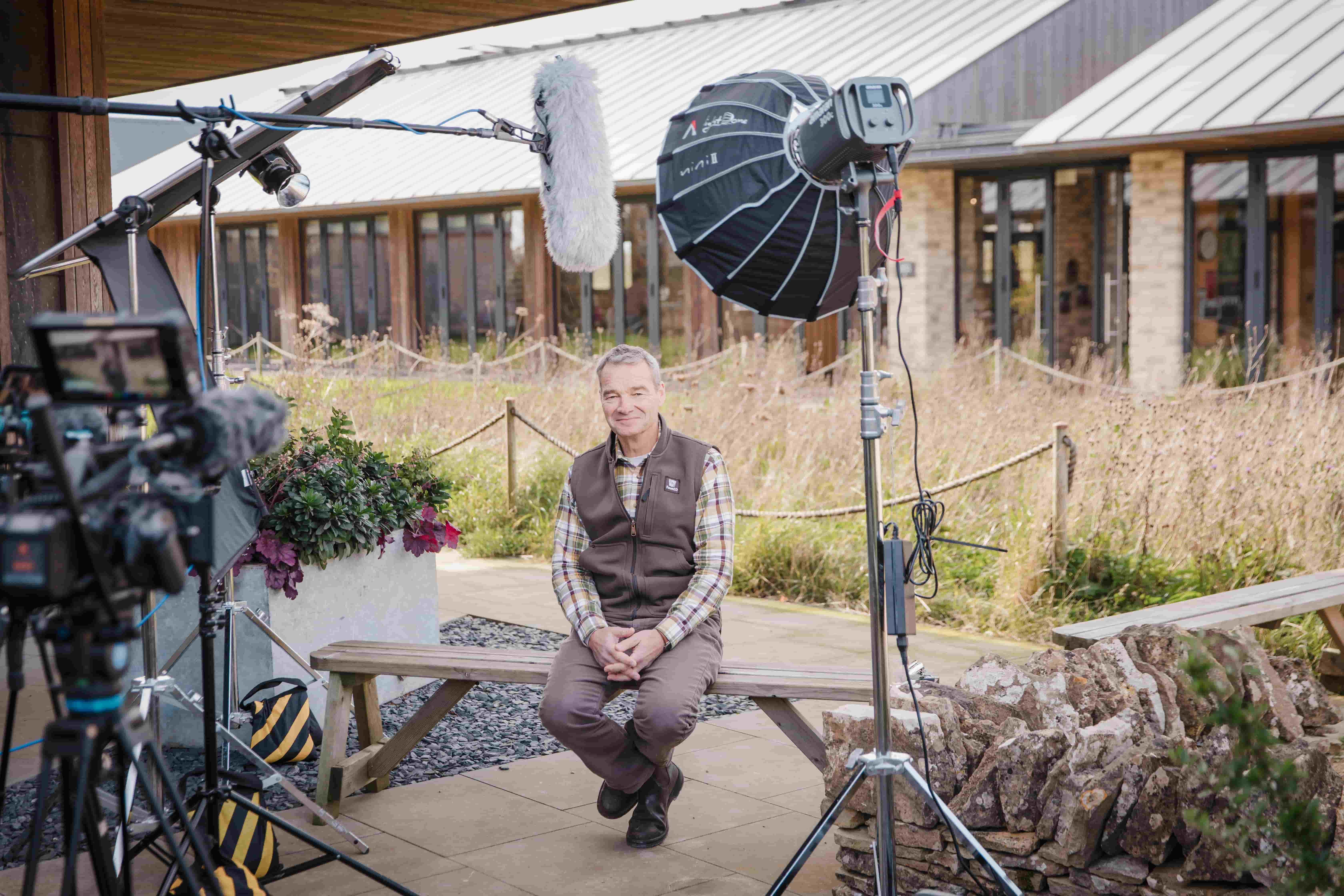
For many, the Cotswolds arrives as a postcard: honeyed stone, winding lanes and villages suspended in time. Yet beyond Arlington Row and the well-trodden paths of Bourton-on-the-Water lies a far richer, more complex story of stewardship, community and the enduring rhythms that sustain the landscape. Created by filmmaker Tea Smart and her production company, Leaping Fox Films, Cotswolds: Field & Folk offers a rare and intimate perspective on this deeper reality, as the region marks 60 years since its designation as an Area of Outstanding Natural Beauty.
A Landscape Shaped by People
"The Cotswolds is more than a tourist hotspot — it's a living landscape," Tea explains. While visitors are drawn to its beauty, its very name, rooted in Old English meaning "sheep enclosures on rolling hills", speaks to a heritage built on wool and agriculture — one now facing growing pressure.
Throughout the region, Tea and her team spoke to both small and large-scale farmers, creating a layered portrait of a sector in transition. Filmed between July 2024 and October 2025, during what became the UK's warmest and sunniest year on record, the Cotswold landscape appears at once breathtaking and fragile. "We had blue skies almost every day," Tea reflects, "but hearing farmers talk about the urgency of change really stayed with us."
Beyond the Postcard
The Cotswolds' beauty is no accident — it is carefully managed. Field & Folk reframes the region not as a backdrop, but as a living ecosystem.
Regenerative agriculture is a key theme, with farmers moving beyond monoculture to restore soil health, diversify crops and reintroduce wildflower meadows. Once covering 40% of the region, these grasslands have dwindled to just 1.5%. Ian Wilkinson of FarmED reflects, "I think that is underestimated — I think we have lost a lot more than that."
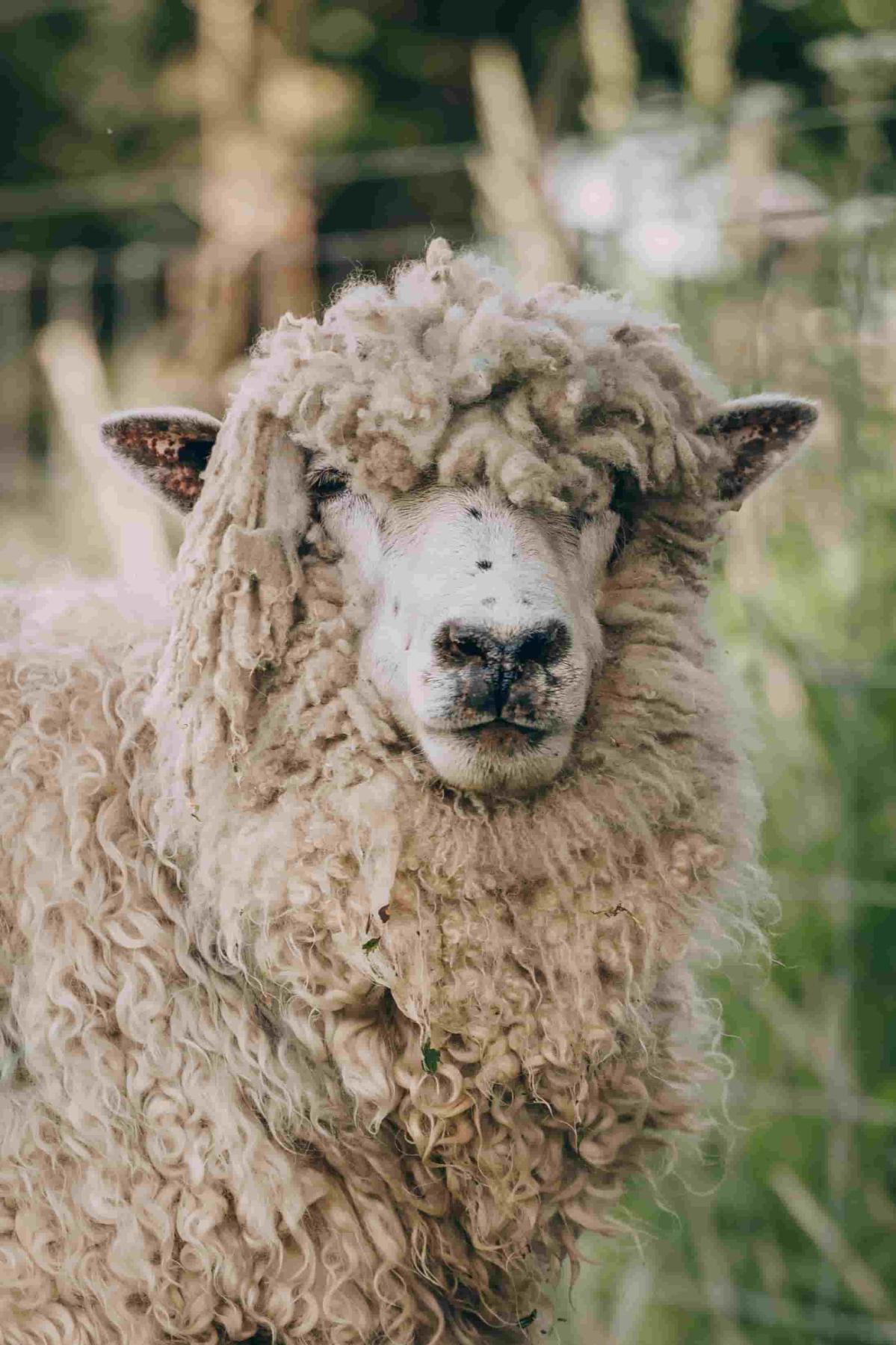
Heritage itself is also at risk. The native Cotswold Lion sheep, once central to the region's prosperity, now numbers only around 1,350 breeding ewes across the UK. "Sheep are really important in our landscape," notes agricultural lead Kate Henderson. Yet today, "it costs farmers more to shear their sheep than the wool they are selling."
As Jonty Brunyee of Conygree Farm, a 180-acre National Trust holding on the Sherborne Park Estate, puts it: "Sustaining what we have today for tomorrow — that's not enough. We need to go deeper."
For visitors to the Cotswolds, many seeking authenticity, provenance and quality, this is an invitation to engage more consciously. Whether through farm shops, seasonal dining, or simply understanding the story behind a dish, small choices can make a difference. "If people walk away with a better understanding of the impact they can have, that's everything," says Tea.
Creative Endeavours
And yet, there are those reimagining what the future of this landscape can be.
At Lower Hampen Farm, Andoversford, Clive and Lydia Handy offer a compelling example of how tradition and innovation can coexist, with their regenerative enterprise Homegrown at Hampen. As a seventh-generation family farm working 330 acres, they have built a community-led model through their Community Supported Agriculture (CSA) scheme, inviting members to share in both the harvest and the realities of the land. Alongside this, Lydia is reimagining the value of wool from their Devon Closewool flock, also raised for meat. Using plants grown on the farm and traditional methods, the wool is naturally dyed, spun and woven into scarves, blankets and cushions, as well as repurposed into fertiliser pellets and other products. Where farming can often feel distant or industrial, this approach offers a more transparent, personal connection.
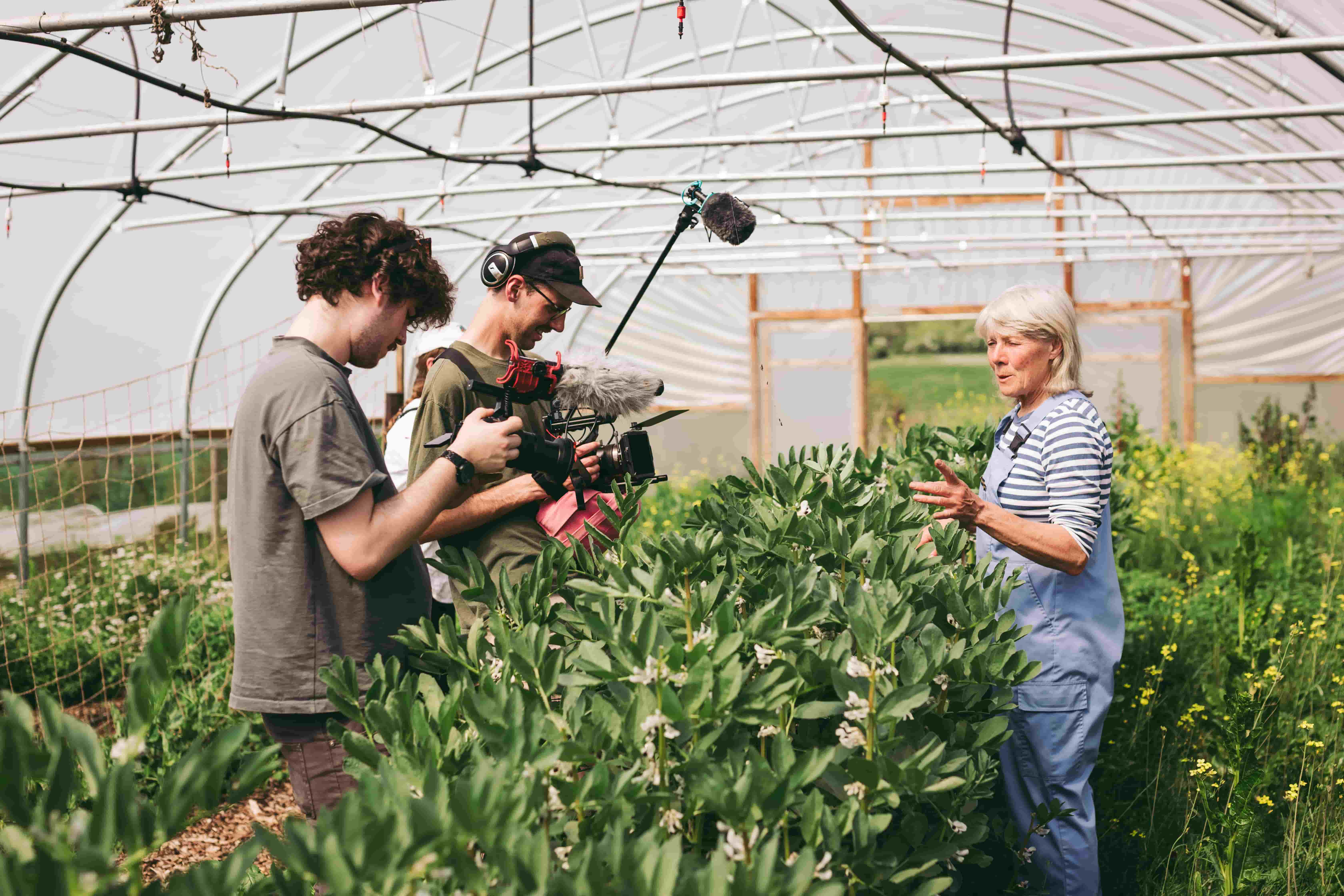
Equally compelling is the human story, highlighting a shift driven by resilience and a new generation. Among them is Lucy Robbins, a young gay farmer challenging long-held stereotypes, and shepherdess Abby Cook, whose perspective brings optimism: "To be able to produce something that feeds people, and makes their life better — that is a pretty cool job."
Women, young farmers and diverse perspectives are deliberately foregrounded, reflecting an evolving sector while honouring tradition. "There are so many powerhouse women in farming," Tea notes, "and they're often overlooked."
Rethinking Food, Value and Connection
One of the film's most thought-provoking threads is the growing disconnect between consumers and the origins of their food. Before the Second World War, households spent roughly a third of their income on food. Today, that figure has declined dramatically, placing pressure on producers.
The film also highlights that organic produce can be 40–50% more nutritious than conventionally grown alternatives — yet farmers struggle to secure fair value for their work.
A Film True to Its Roots
Though set to screen at national film festivals, Field & Folk remains firmly rooted in community. Supported in part by the Cotswolds National Landscape, the project was never about profit. "We went into it to tell stories — and to keep telling them," says Tea.
A series of screenings is planned across the Cotswolds, from intimate venues to larger cultural spaces such as Cheltenham's Parabola Arts Centre, alongside school outreach introducing younger audiences to modern farming. Future plans include further films exploring underrepresented voices in agriculture, as well as a photographic project capturing the farmers featured on screen.
Seeing the Cotswolds Differently
Cotswolds: Field & Folk offers a shift in perspective, encouraging a slower gaze and deeper appreciation — a recognition that the beauty so often admired is not accidental, but carefully, continuously maintained.
In a region synonymous with excellence, where discerning visitors and locals alike continue to seek meaningful experiences and connection, this film feels particularly timely. It aligns with a growing desire not just to see a place, but to understand it — and perhaps play a small part in sustaining it.
Further details, including the Cotswolds: Field & Folk trailer and screening locations, can be found at cotswoldsfilm.co.uk
SHARE: