



Chavenge House: Still Home
WORDS BY Charli Peake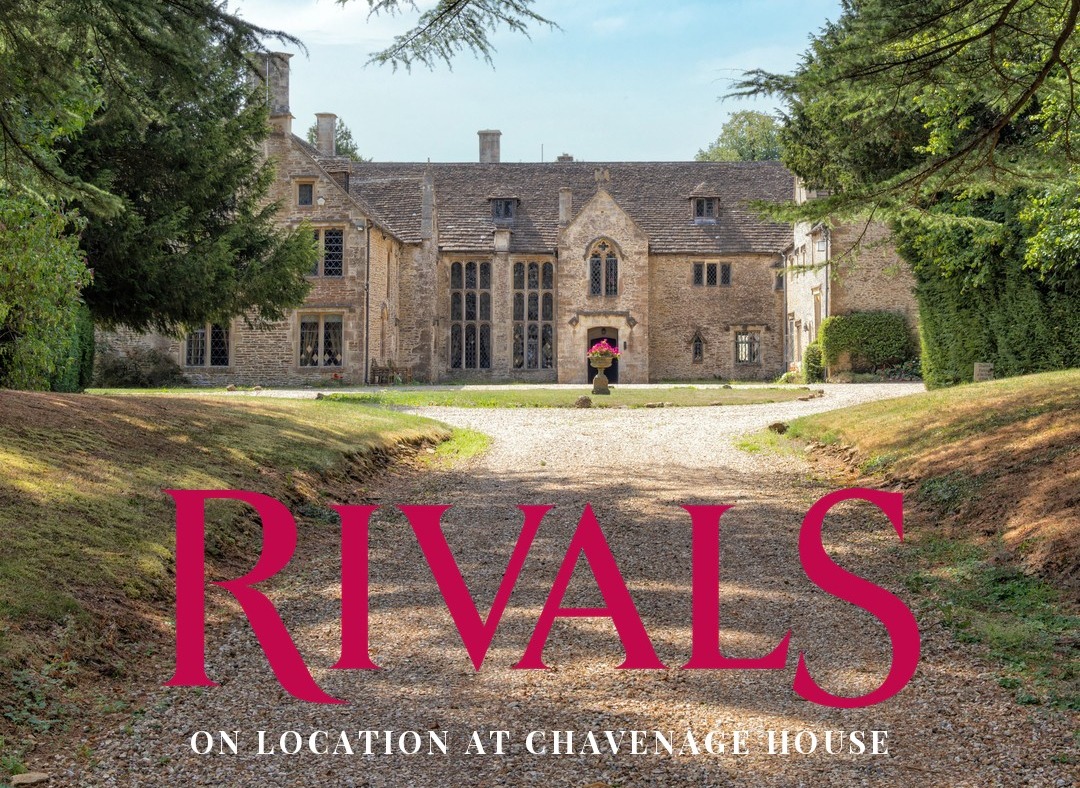
Caroline Lowsley-Williams talks to Charli Peake about six generations, one very busy Ballroom, and the family home behind Declan O'Hara's office
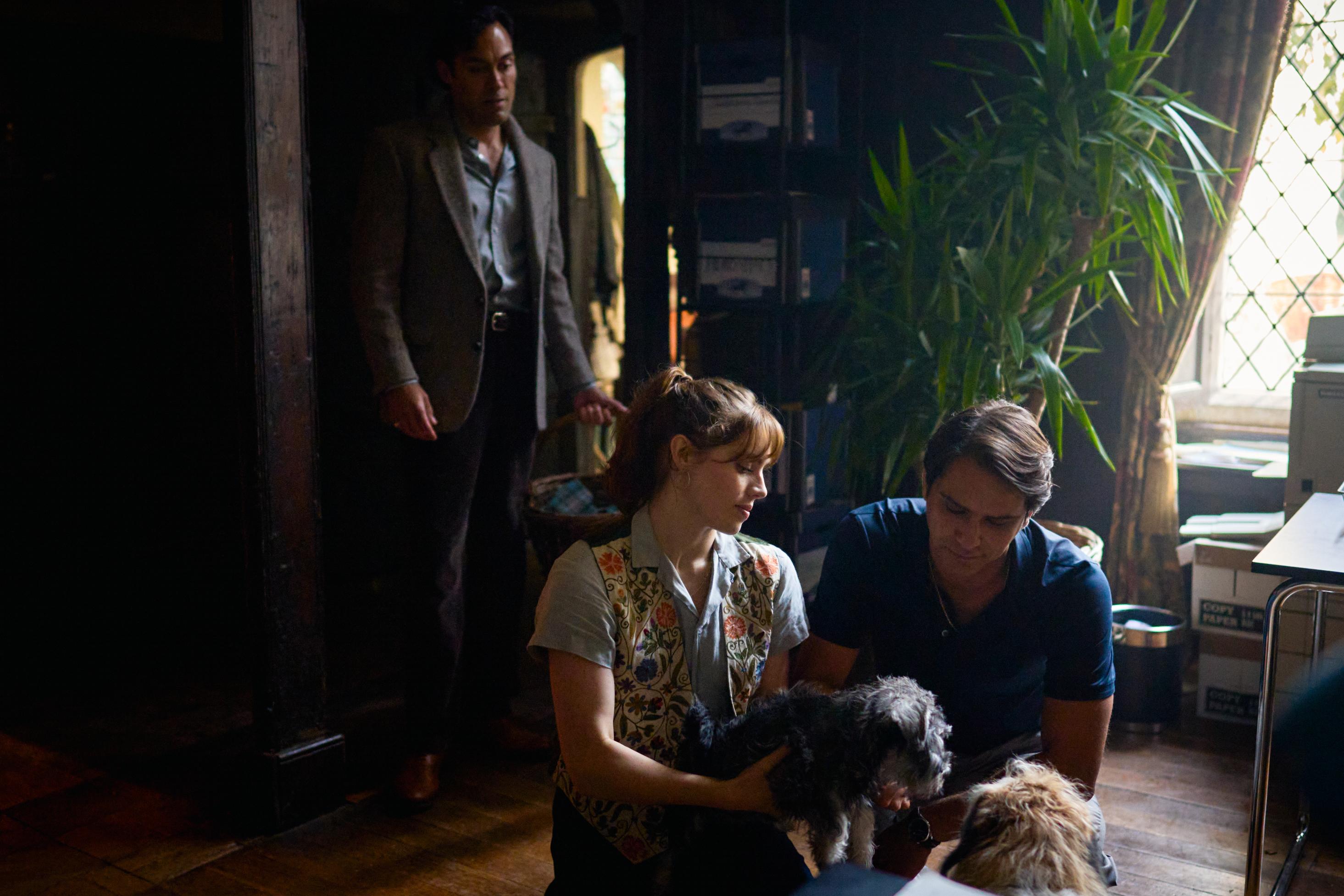
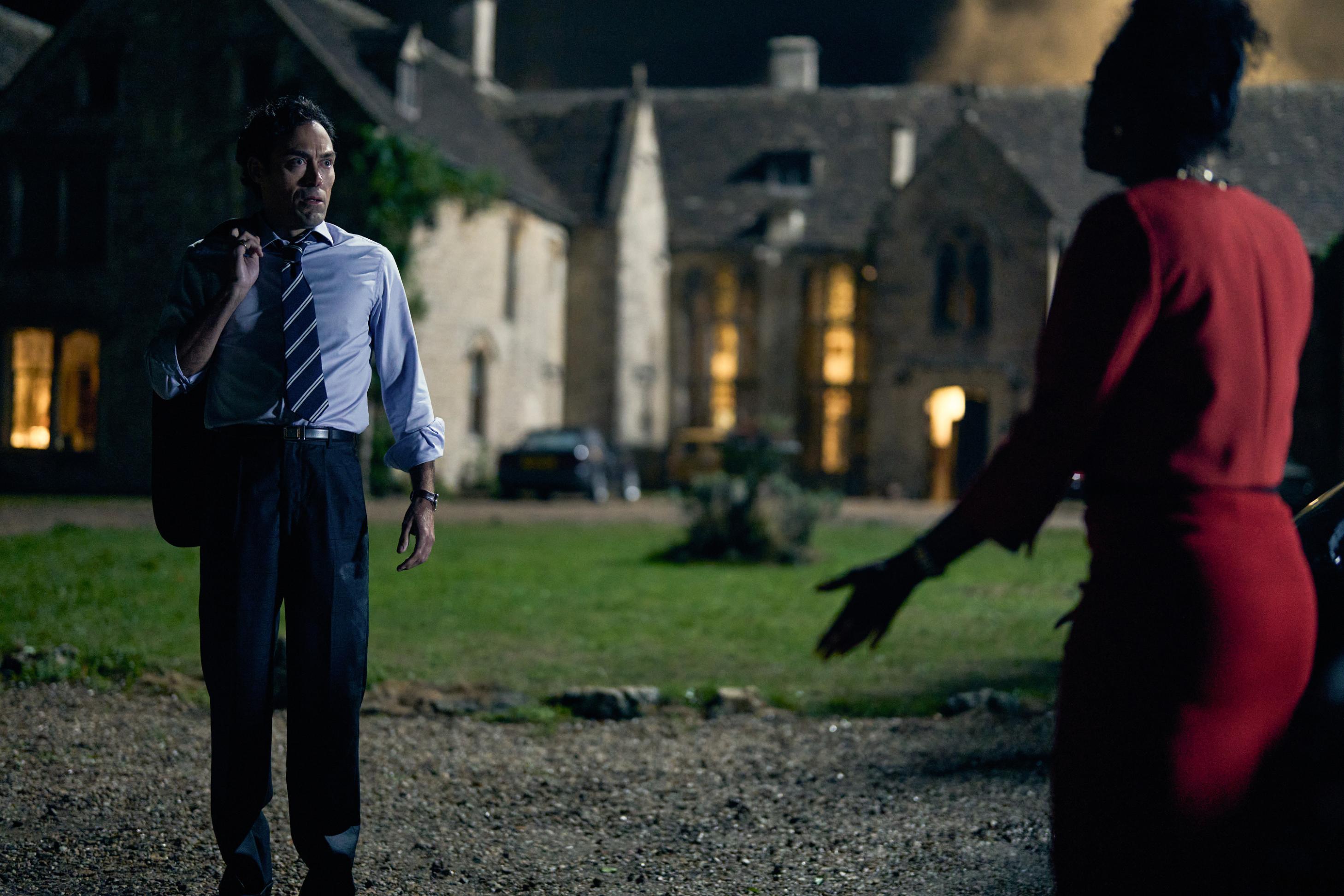
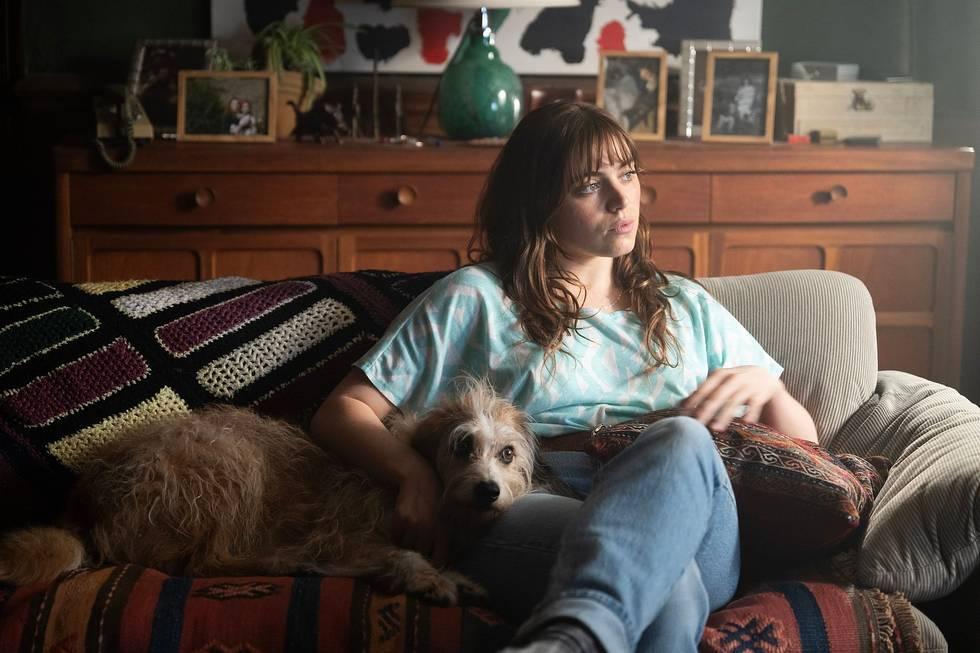
Halfway through a tour of Chavenage earlier this year, Caroline Lowsley-Williams turned to a small group of American visitors as they entered the Ballroom and apologised for the coffin. It was, she explained, part of a scene being filmed for the third series of the BBC's Am I Being Unreasonable, a combined wedding and funeral shot with Daisy May Cooper. One of the group, misunderstanding entirely, told her not to worry, she hadn't coughed at all. It was only then that the coffin came into view.
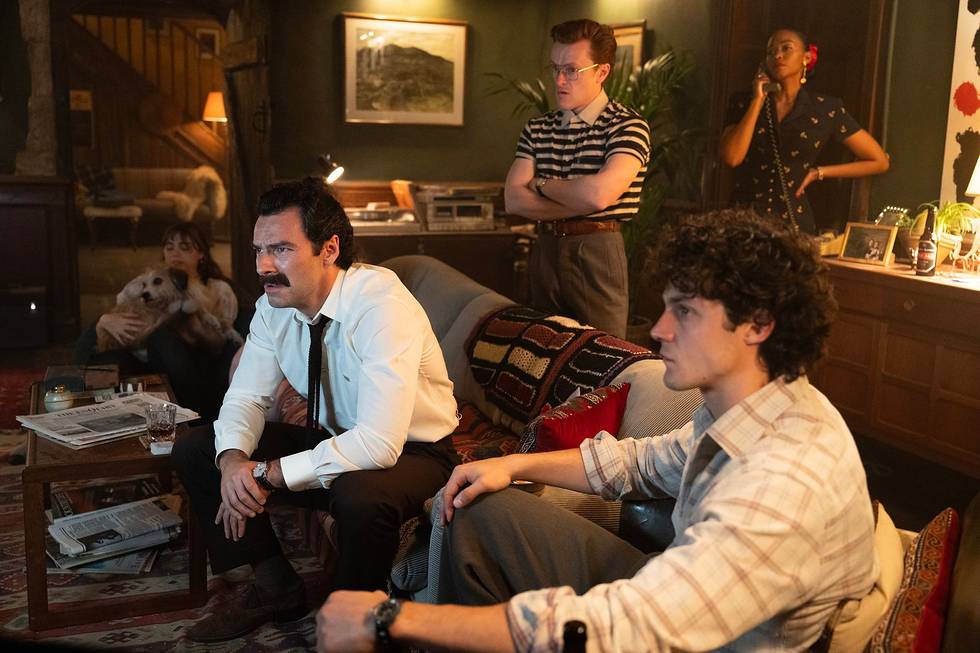
It is the kind of story that could only happen at a house where film crews and family life have run alongside each other for decades, and where the line between the two has long since stopped mattering. It's not even the strangest thing to have wandered into a room at Chavenage. Caroline recounts the time a cow found its way into the Chapel, though she rates it a distant second to the occasion a camel was brought into the house for a scene in the first series of Disney+'s Rivals.
Chavenage has belonged to the Lowsley-Williams family since 1958, when Caroline's parents inherited it from her father's uncle. Even so, Caroline is quick to point out that her family has never claimed to be the family of the house. The Stephens family bought the estate from the Crown in the sixteenth century, after it passed through Church ownership, was seized by Henry VIII during the Dissolution of the Monasteries, handed to the Seymours, and surrendered back to the Crown following the execution of Jane Seymour's brothers, Thomas and Edward. “We feel a huge responsibility in maintaining the house and its heritage,” she says, “though primarily it is our family home.” Her own description is more understated still: the family are blow-ins, custodians of something considerably older than themselves.
Growing up there in the years after the war, Chavenage was simply home, if a home run on rules that belonged to an earlier era. Household staff who had served her great-grandparents before the war were still there. Children weren't permitted to join their parents for dinner until they turned eight, or to stay up for supper until ten, and meals were served by the family butler, known within the family as Thomas and to everyone else as Mr. George Thomas. Caroline's favourite room is the space where those meals happened: the 1580 panelled Oak Room, more properly the Elizabethan Parlour, which doubled as her parents' small dining room and marked, for her, a genuine childhood milestone.
That kind of continuity, evolving without ever quite disappearing, is how Caroline sums up the house's character. “Chavenage is that old friend that has remained a constant in so many lives,” she says. “It has evolved with the passage of time, but it has that timeless quality which is a great comfort.”
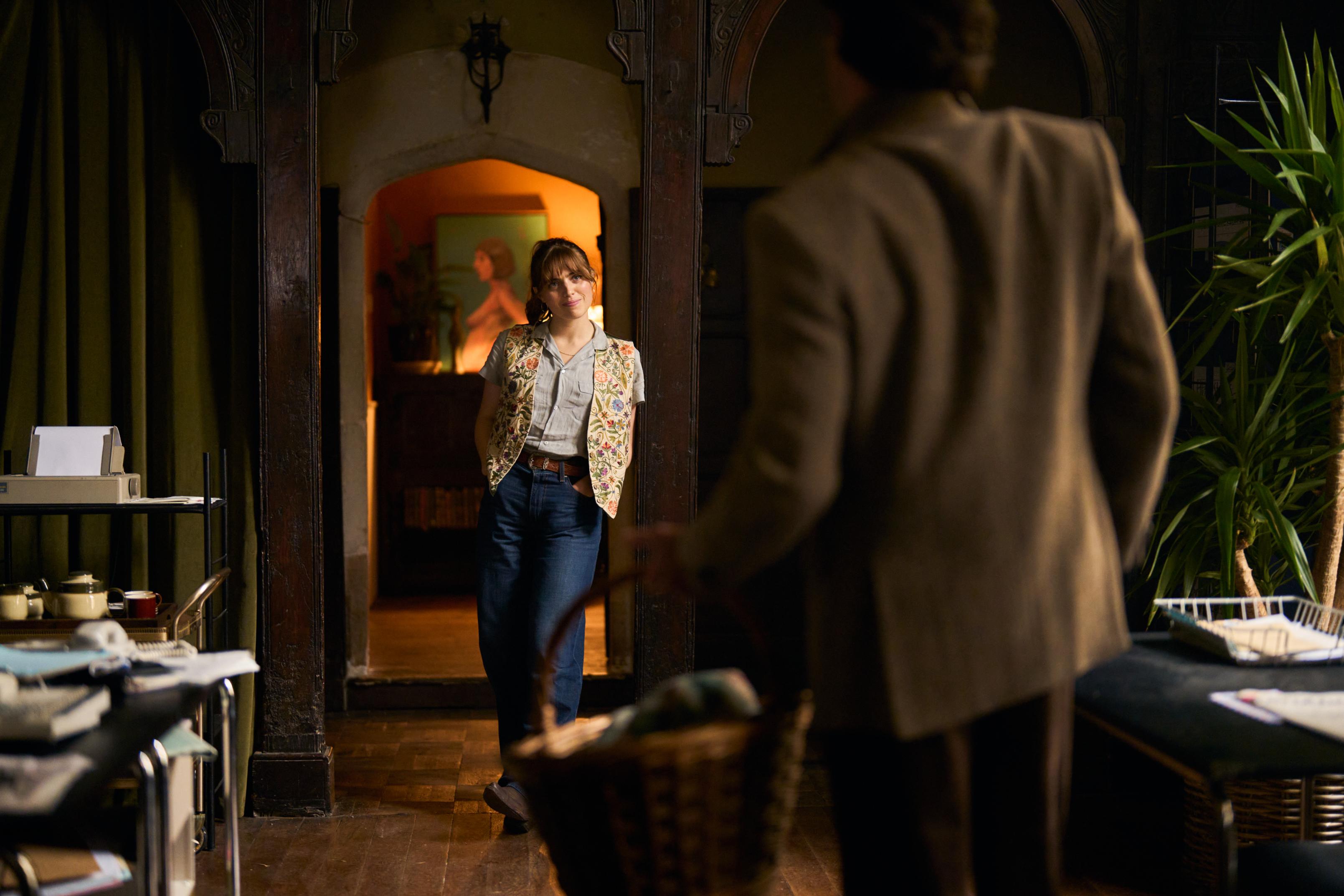
The house has been earning its keep on screen since well before anyone had heard of Rivals. Stanley Kubrick's Barry Lyndon, with Ryan O'Neal, was the first major production filmed there, and the East Front's largely unchanged Elizabethan facade has made Chavenage a natural fit for any period drama set after the Tudors. Caroline credits her father's openness to “film people”, the family has always been willing to hand over even their own bedrooms to a production, for building the kind of relationships with producers and location managers that bring crews back again and again. Some of those visits have left their mark in unexpected ways. Filming Tess of the D'Urbervilles meant persuading the estate's farm manager to cut a field of rapeseed before it flowered, on the grounds that a Victorian period drama had no business featuring a field of bright yellow. Productions have grown considerably larger since those early days, with as many as 150 people on site at once. Asked what stands out most from decades of filming, Caroline doesn't hesitate: Aidan Turner's chest.
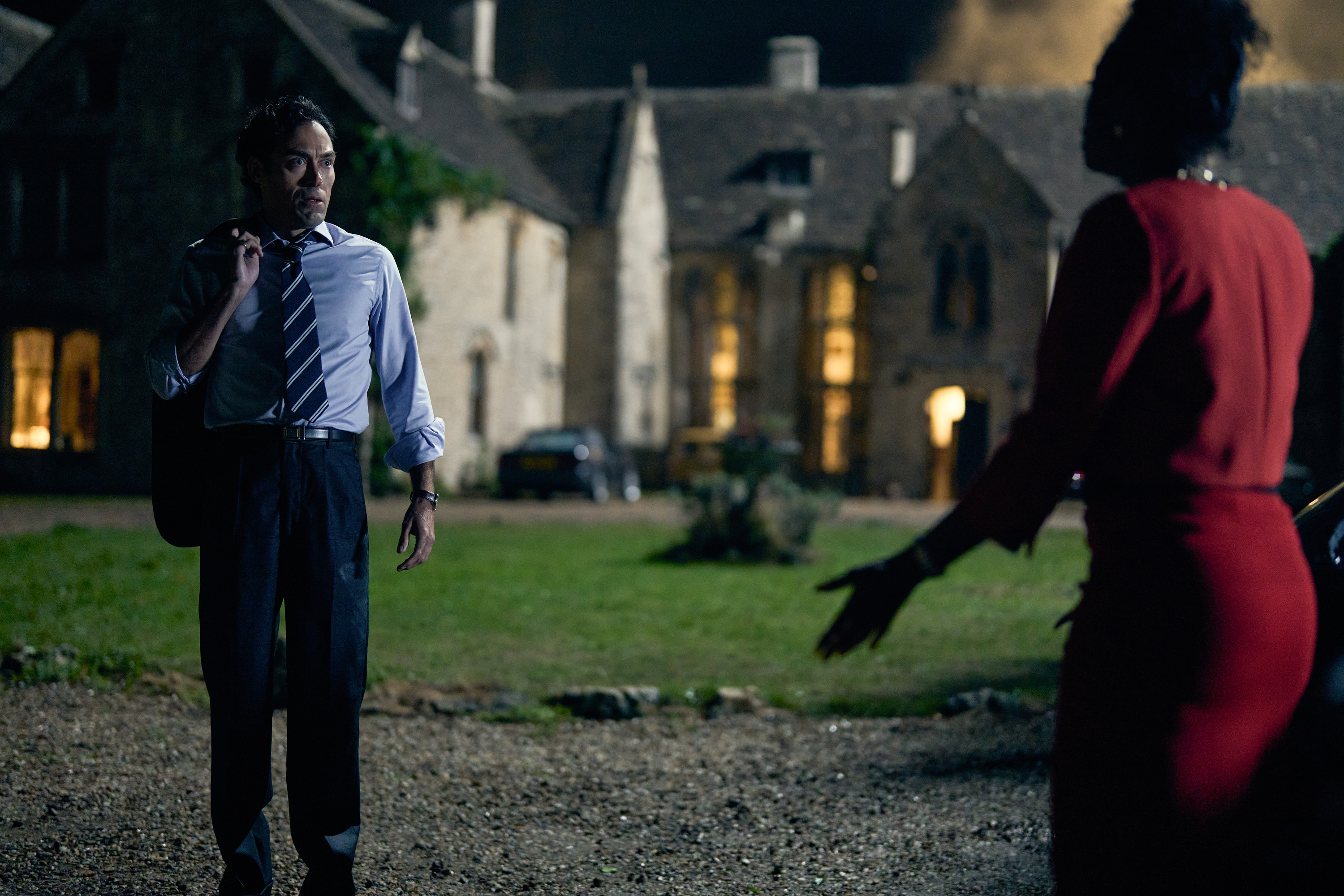 Turner reappears, inevitably, in her account of Rivals. Walking through the Great Hall dressed as Declan O'Hara's office, complete with fax machines, VHS recorders, a boxy period television and ashtrays full of cigarette butts, felt to Caroline like no time had passed at all, even if it read as ancient history to her nephews and nieces. Recreating The Great Storm of 1987 required bringing in jet engines to generate a convincing wind, and the noise, she says, was extraordinary. Turner himself left an impression via a rather more domestic route: Caroline still can't help but remember him getting into the lemon-coloured bath in the bathroom off Colonel Stephen's Room. On what's coming in the second half of series two, due in November, she gives nothing away. “It is going to be great,” she says, “and I am sworn to secrecy.”
None of this, Caroline is careful to note, has changed how the house feels day to day. “It is still home,” she says simply, when asked whether seeing Chavenage through a camera lens has shifted her relationship with it. What has changed is the volume of visitors, many arriving from America specifically to see a house they recognise from a series they love. Caroline calls it tele-tourism, and treats it with a level head: filming, she says, is “the gilt on the gingerbread,” a welcome addition rather than the foundation, and one she's conscious could disappear as CGI advances. Chavenage's own screen history stretches back further than most visitors realise, through Grace & Favour with John Inman, The Ghost of Greville Lodge, and its turn as Styles in the Poirot adaptation The Mysterious Affair at Styles. Tours, run only by prior arrangement to keep them personal, touch on the filming but rarely dwell there. The Great Hall, where most of the meal scenes have been shot, tends to catch people's imagination most.
There is more to Chavenage's story than any of it, not least its role in the Second World War. In 1943 the house was requisitioned by the US Military, and a US topographical unit built a scale model of Omaha Beach on the floor of the Ballroom, used to plan the tactics for the assault to come on D-Day.
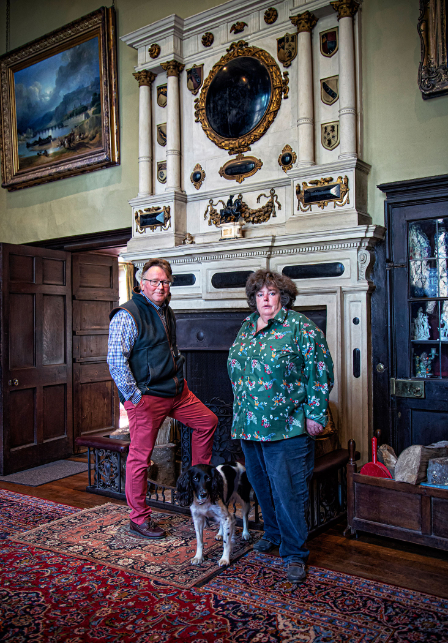
This year carries its own quiet marker of continuity. 2026 marks 135 years of the Lowsley-Williams family at Chavenage, and the arrival of Archie George Lowsley-Williams, the sixth generation to call the house home. Asked what she'd want Chavenage to carry forward to whoever lives there in fifty or a hundred years, Caroline doesn't overreach. She simply hopes there will be many more generations to follow him.
Chavenage House welcomes visitors by reservation only, subject to availability. To enquire, see chavenage.com
SHARE: