



Make Time for Chipping Campden
WORDS BY Laura Birtles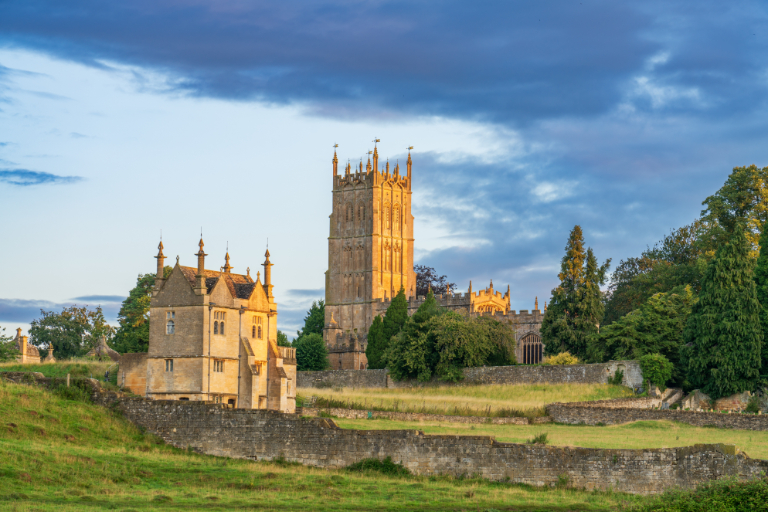
From its medieval wool history to the enduring legacy of the Arts and Crafts movement, this Cotswolds market town continues to celebrate history, creativity and independent enterprise. Laura Birtles discovers why it rewards those who linger.
With its honey-hued stone, symmetry and remarkably intact High Street, Chipping Campden is one of the Cotswolds' most picturesque towns, and the start (or end) point of the 102-mile Cotswold Way. But spend a little longer here, all day if possible, and another story unfolds. Beyond the façades, silversmiths still hammer silver by hand, galleries champion local artists and a new generation of entrepreneurs are opening cafés, boutiques and design-led businesses. More than 700 years after wool merchants transformed its fortunes, this remains a town defined by making.
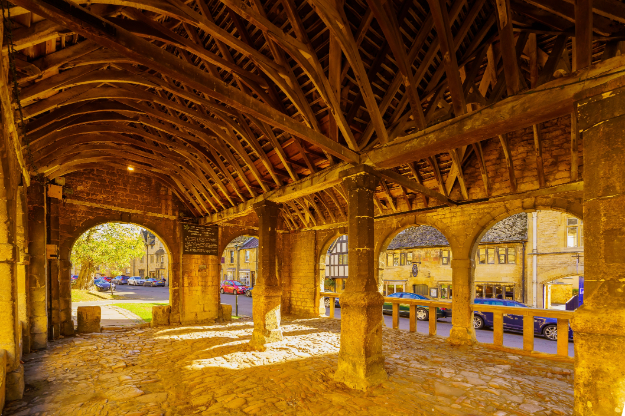
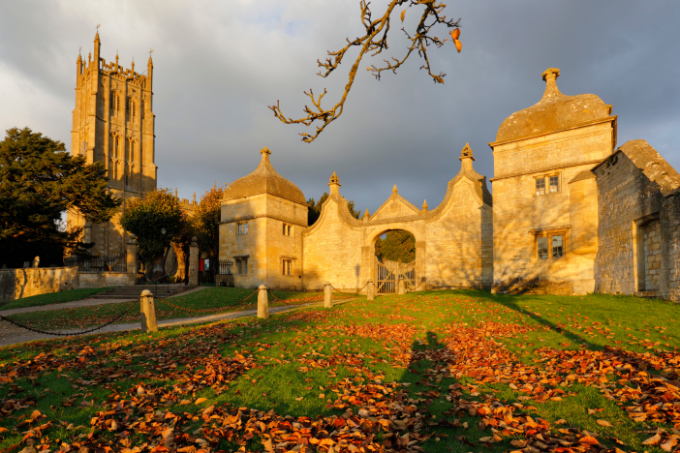
Begin at St James' Church, one of the Cotswolds' great wool churches, where centuries of craftsmanship are evident in every stone. Nearby, the romantic ruin of Sir Baptist Hicks' Campden House with its two surviving Banqueting Houses and gate houses, now restored and cared for by the Landmark Trust as holiday properties, hints at the wealth that once flowed through this corner of Gloucestershire. The Market Hall, built in 1627 by Hicks, remains a sheltered marketplace for local produce and a natural meeting place today. Above the tourist information centre in the Old Police Station lies the original courtroom, offering another glimpse into the town's history.
Court Barn introduces the Arts and Crafts movement that arrived in Chipping Campden in the early 20th century. That story begins with CR Ashbee, who moved the Guild of Handicraft from London's East End to Chipping Campden in 1902. He believed objects should be made by skilled hands rather than machines. More than a century later, that philosophy still feels woven into the town's identity.
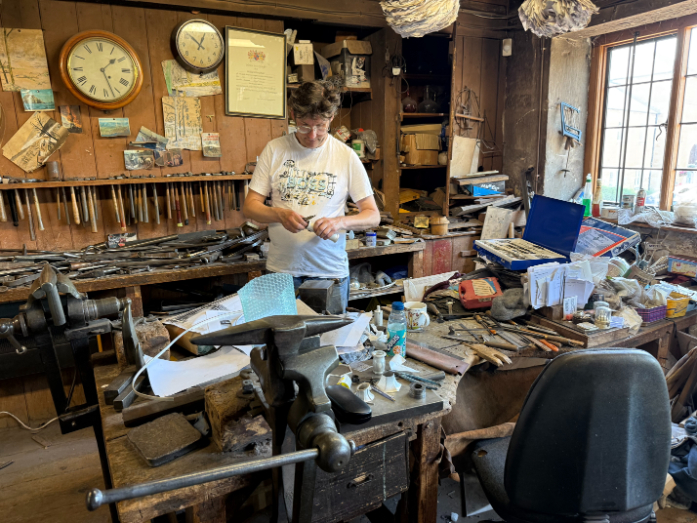
That legacy lives on at the 18th-century Old Silk Mill on Sheep Street. Explore The Gallery at the Guild, run by a cooperative of local artists, and sip a delicious brew at Campden Coffee. Next, wander upstairs to Hart Silversmiths, where the sound of hammer striking silver still echoes throughout the building. “It was originally founded in 1888 in the East End of London,” explains silversmith Julian Hart, whose family business traces its roots to Ashbee's Guild. “By 1902, they decided to move all the workshops to Chipping Campden... and it's become a real hub ever since. Nothing's changed since we moved in.”
In 1955, Robert Welch established his first workshop at The Old Silk Mill, before opening the Studio Shop on the High Street in 1969. Today, his legacy continues through stylish cutlery and homeware found in homes, hotels and restaurants worldwide, carrying Chipping Campden's reputation for exceptional craftsmanship far beyond the Cotswolds.
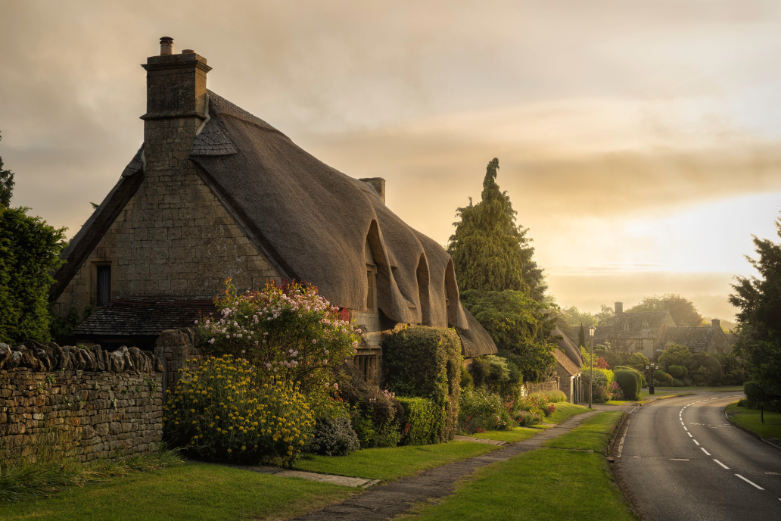
Amble up Sheep Street towards Westington and Broad Campden, where honey-stone cottages with thatched roofs offer picture-perfect Cotswolds scenes. Returning to the High Street, stroll along, popping into galleries and cafés, and pausing at Lilly Hastedt's showroom and Atelier, where fine gemstone and pearlwork jewellery, precise and painterly in equal measure, sits in quiet dialogue with the town's Arts and Crafts past. The White Gallery, a contemporary art space, is also worth a browse, with a rotating programme of emerging and established artists bringing a different energy to the town's creative mix.
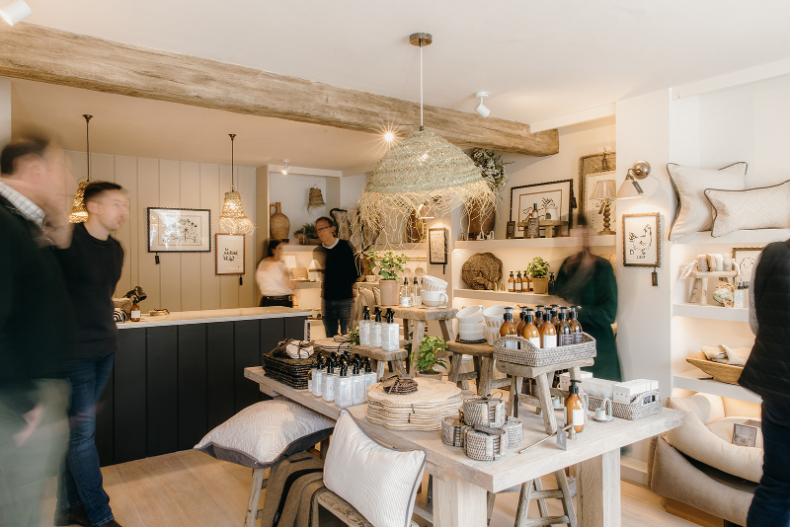
Wild Nest, one of the newest arrivals, occupies one of its oldest buildings. Inside, muted colours, sculptural homeware and natural textures result in an atmosphere owners Lyndsay and Dan describe as “calming”. “Everything has to feel right in the space,” Lyndsay says.
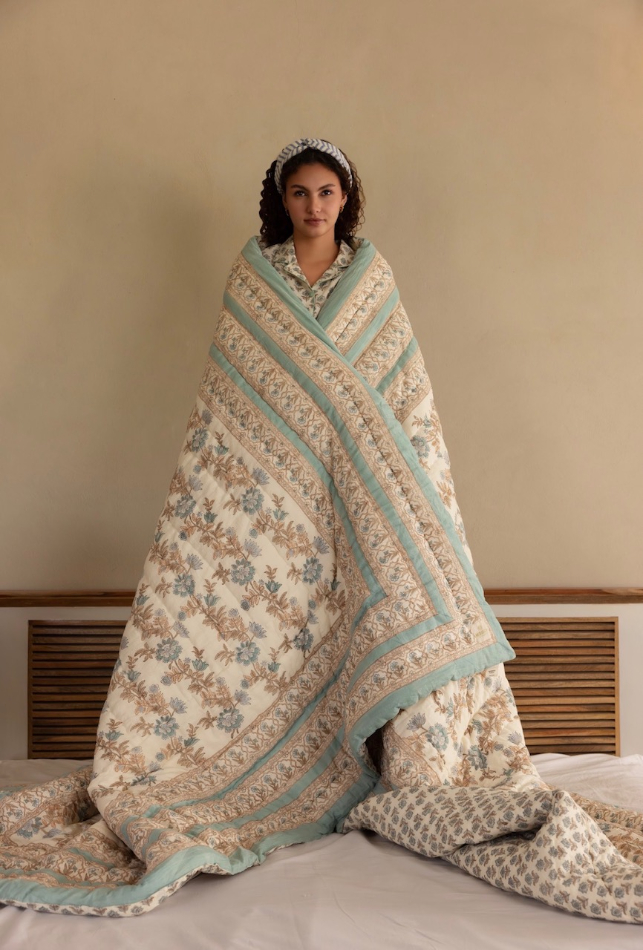
Nearby, Mooch brings together clothing, ceramics and homeware with effortless style. Owner Emma Sinclair designs every textile before working with a fifth-generation family of artisans in Jaipur. At Sam Wilson, shelves are laden with fabrics, lighting and home accessories.
The Attic has become a destination for pre-loved designer fashion, while Tina Iacovelli, The Covent Garden Academy of Flowers and Cotswold Luxe are all worth a look. Don't miss Draycott Books, which overflows with antiquarian treasures.
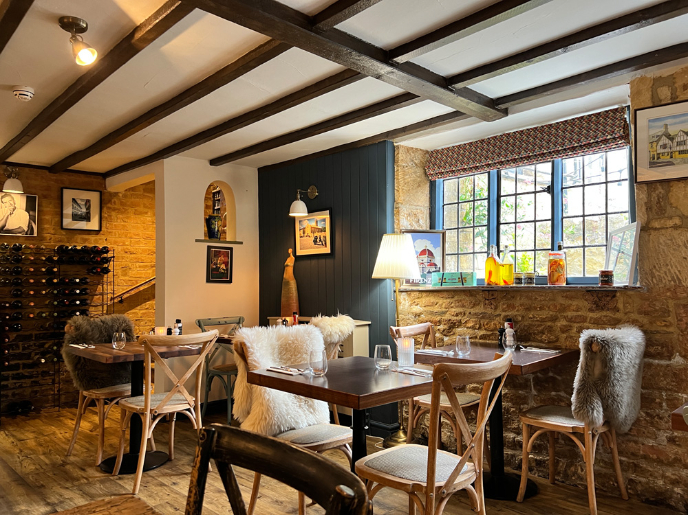
There are many places to refuel, from cafés and delis to tea rooms. Beloved by locals, Toke's tempts visitors with wines and deli treats, while the aroma of fresh sourdough drifts from Campden Bakery. Fillet & Bone is perfect for a picnic, Victor's for made-to-order sandwiches and Bantam Tea Rooms offers a laid-back pause beneath centuries-old beams.
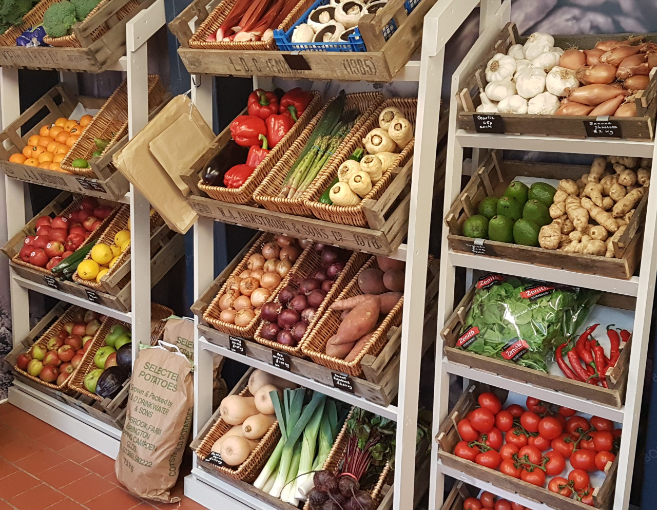
Lunch at Huxleys is hard to resist. Tables spill onto a raised terrace on the High Street, making it one of the town's finest people-watching spots. Sitting there, as church bells ring and conversations drift across the pavement, it is easy to understand why one local remarked, “It feels like you're on holiday.”
For authentic Italian cooking, Da Luigi, “where all the locals go to eat”, is a good choice, while Michael's Mediterranean serves grilled fish, mezze and slow-cooked lamb. Afterwards, head to Gelato for Chipping Campden's best ice cream, which has an array of flavours to rival any gelateria in Rome.
In the afternoon, walk further along the High Street to the contemporary Cidermill Theatre, where creativity shows itself in a different way, bringing year-round dramatic and live music performances to the town. En route, stop by the Ernest Wilson Memorial Garden, hidden behind a modest stone archway. If it is a glorious day, take a short drive, or an energetic walk, to Dover's Hill. The landscape suddenly opens onto sweeping views across the Vale of Evesham towards the Malvern Hills.
What remains with you long after leaving Chipping Campden is not simply the beauty of its architecture but the warmth of the people behind its doors. Conversations begin easily here, with silversmiths, shopkeepers, waitresses and gallery owners, and almost always end with another recommendation.
A former verger at St James' Church, Sarah Parker, has watched the town evolve. While much has changed, she believes its character endures. “It is friendly. It is welcoming,” she says. She recalls: “It would take me an hour to walk down the High Street because people would stop and say, ‘How are you?’”
That sense of community sits alongside a deep respect for the town's past. “It's very set in its tradition,” Parker reflects. “It wants to keep its history.” As silversmith Julian Hart says, “People come because they're interested in the history and heritage, but they go away and then they come back.” Perhaps that's Chipping Campden's greatest achievement. Picturesque though it is, it isn't somewhere to hurry through or tick off a list. So be curious, strike up a conversation and take your time.
SHARE: