



Cornwell to Chastleton: A Walk via Adlestrop
WORDS BY Michael Spenley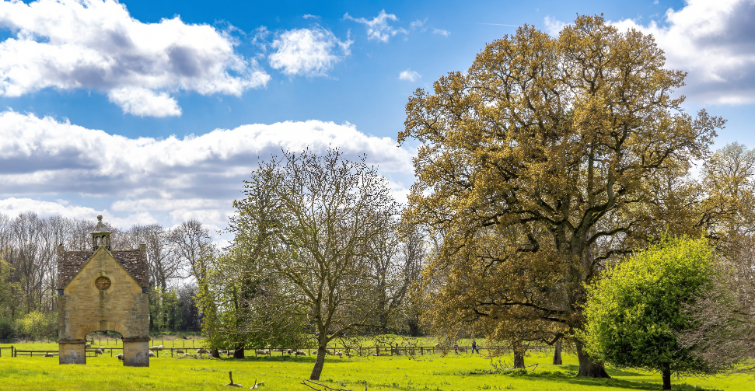
This walk is a treat for Autumn or Winter, with a spectacular canopy of changing leaves and a carpet of gold and red underfoot through to November. Expect fresh air and lovely views over Oxfordshire, Gloucestershire and Warwickshire. This route isn't well known, and it's my favourite time of year to enjoy it.
Practicalities
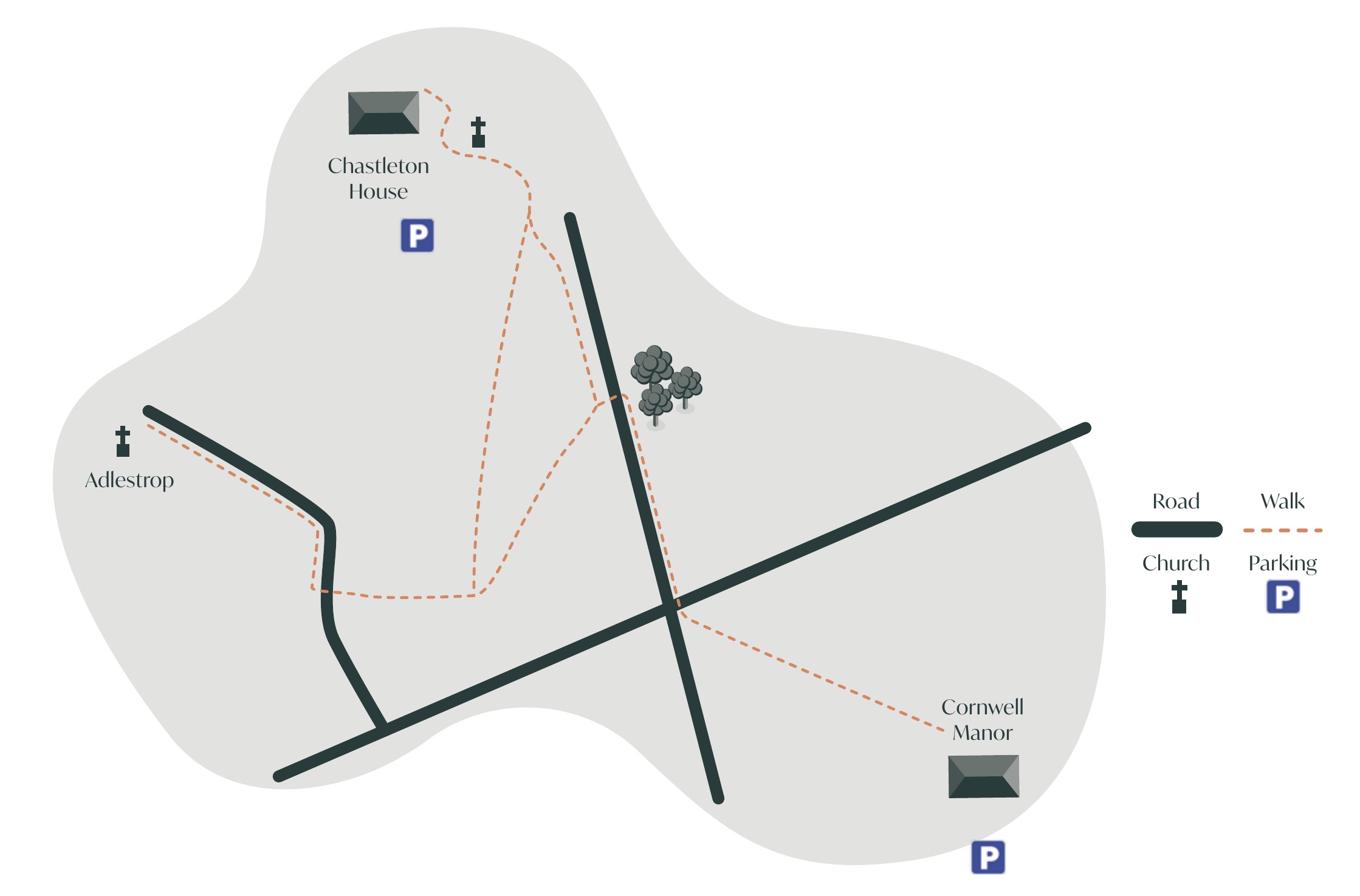
If practical, travel as a pair or group in two vehicles and park at each end of the walk. There are a handful of spaces off the road at Cornwell and a National Trust carpark near Chastleton. Walk uphill first, from Cornwell to Chastleton, the best views, and the real drama, are at the top. Wear boots, layers and light rainwear.
Cornwell is a jewel box of a place: a tiny self-contained hamlet with a grand house, Cornwell Manor, its Georgian façade and extensive grounds. The hamlet was restored and reimagined in the 1930s by architect Sir Clough Williams-Ellis of Portmeirion fame and shares that same play of gradients and levels, every visit reveals a different version of it. Don't miss the view from the road, through the gates and down into the gardens to the main house beyond. You may recognise it as the country house restaurant in Jude Law and Cameron Diaz's first date scene in The Holiday.
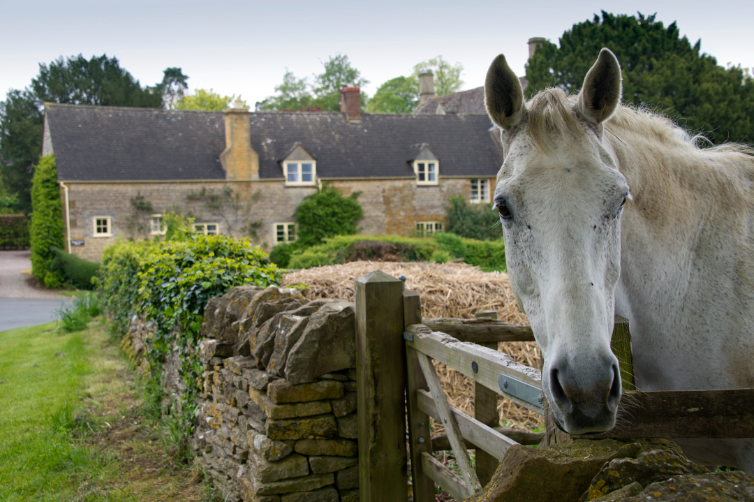
Leaving Cornwell, walk across fields diagonally and uphill towards Adlestrop, and if time allows, its wonderful Park beyond. Cross the main road and find the footpath again in a stand of trees on the other side, then head left until you find another lane that will take you into the village.
Adlestrop has two literary claims to fame. It's the setting for Edward Thomas's famous poem of the same name, published in 1915 about a journey made in June 1914, a month before WWI broke out, capturing a fleeting sense of peace before the 'war to end all wars'. Thomas was killed in that war in 1917, alongside a whole generation of men, including my own great-grandfather, Henry Spenley, who died in 1918.
Adlestrop By Edward Thomas Yes. I remember Adlestrop— The name, because one afternoon Of heat the express-train drew up there Unwontedly. It was late June. The steam hissed. Someone cleared his throat. No one left and no one came On the bare platform. What I saw Was Adlestrop—only the name And willows, willow-herb, and grass, And meadowsweet, and haycocks dry, No whit less still and lonely fair Than the high cloudlets in the sky. And for that minute a blackbird sang Close by, and round him, mistier, Farther and farther, all the birds Of Oxfordshire and Gloucestershire.
Adlestrop has another, more obscure, literary link. Jane Austen's grandfather was born here, and Austen herself visited three times between 1797 and 1806, staying with her cousin, the Reverend Thomas Leigh, at the Old Rectory beside the church. She likely knew this same view. Adlestrop remains perfectly preserved and is said to have inspired her third novel, Mansfield Park, published in 1814.
Leaving Adlestrop, double back before heading either diagonally up a field to Chastleton or through the woodland. You'll hear birdsong, and maybe deer, with earthy smells of mushroom, wet soil and fallen leaves rising as you climb. There are beautiful views left towards Stow-on-the-Wold.
Head through a gate at the top, bear left and down to a gate with a National Trust sign, then cross a field with sheep to the brow of the hill and stop. The scene below is extraordinary, one of my favourite views in the Cotswolds.
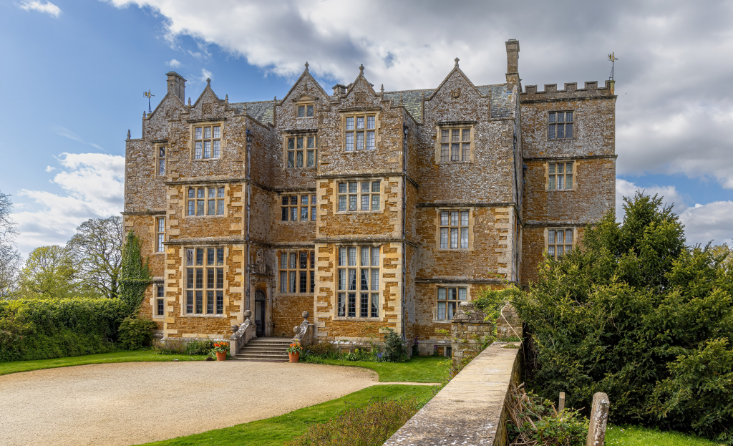
In the valley below sits Chastleton House, one of the best-preserved Jacobean houses in the UK, with Chastleton church beside it and a Cotswold stone dovecot from the same era in the field. Whether through Autumn mist or Winter frost, this view stops you in your tracks. Your route leads directly down the field to the house.
The house is managed by the National Trust, visit if it's open. The church is peaceful and calm. In the early 1600s the house belonged to Robert Catesby, ringleader of the 1605 Gunpowder Plot, who tried to blow up King James I at the State Opening of Parliament. Catesby was killed in a shootout later that year, having fled to a supporter's house.
Don't miss the row of two cottages to the left of Chastleton House, green, mossy, and exquisite in their proportion, standing testament to a bygone age.
SHARE: